Post Title

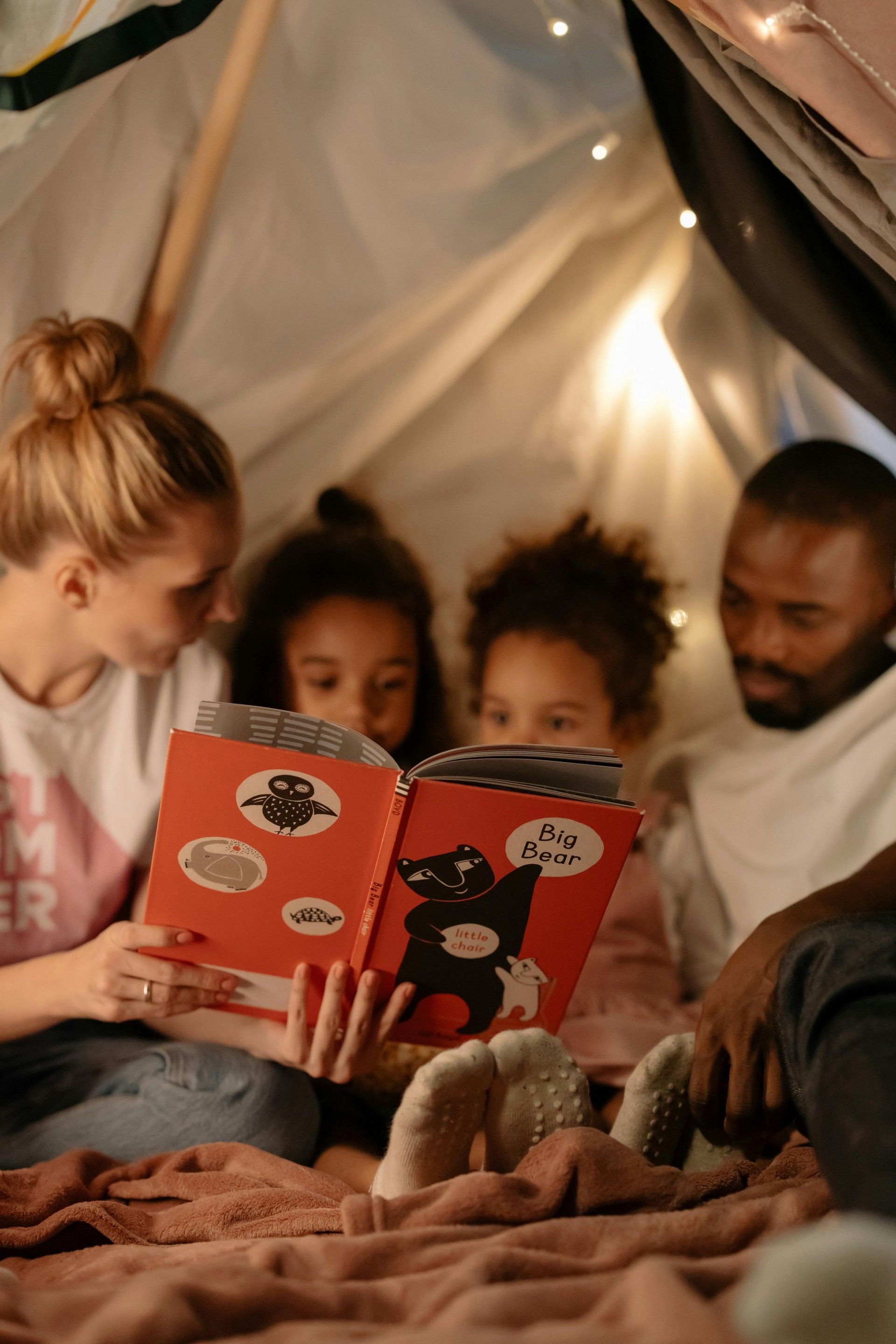
The Best Motivation for a Foster Parent

Why do you want to be a foster parent?


Maybe you are dreaming of the moment a child in need comes to your front door. You can envision them coming inside, running to your open arms, and saying “thank you.” Tears welling up in your eyes as you feel accomplished and proud. 


While this idyllic dream is nice, it is simply not realistic. If your motivation to be a foster parent is built around this imaginative scenario, you are going to have a very hard journey ahead of you. The truth is, the child that comes into your care might be angry, overwhelmed, exhausted or most commonly: scared. Thus, the job of a foster care parent is not to be a knight in shining armor, the job is to be a safe place to land for the children in the foster care system. 


Therefore, the correct motivation is focused on what is best for the child. It is a desire to provide them the stability and love they deserve through whatever obstacle they are facing. It is a motivation rooted in love, humility, and a willingness to tackle whatever may come your way. Though they probably will not run into your arms and say thank you, the impact you can make with this motivation will enrich their lives and yours.


The staff at Friends of Foster Children strive to empower every person desiring to be a foster parent to adapt the correct motivation! Wherever you are with the decision to foster, we would love to hear from you. For questions, guidance, resources and more, contact Friends of foster children’s foster navigator Danielle: danielle@friendsoffosterchildren. 

By Liza Krahl June 1, 2026
As June begins and Father’s Day approaches, it’s the perfect time to recognize the important role fathers play in the lives of their children. At Friends of Foster Children, we know that supported fathers can make a lasting difference for families navigating the child welfare system. This month, we wanted to take the opportunity to spotlight our Fatherhood Program, a program created to empower dads, strengthen family connections, and provide the resources and guidance fathers need to succeed. In this blog, Fatherhood Program Coordinator Vagner Revol shares the story behind the program and why supporting fathers is such an important part of our mission. How did the Fatherhood program start? Around 2023, Friends of Foster Children recognized a significant gap in support for biological fathers and male caregivers involved in the child welfare system. Too often, fathers were overlooked during the process. Efforts to contact them were limited, and when children were ultimately placed in their fathers’ care, there was often little to no follow-up support available. This lack of resources created a "figure it out on your own" mentality. Many of these men were stepping into parenthood for the first time, often under difficult circumstances, without the guidance or tools they needed to succeed. As a result, fathers were not always positioned to make the long-term, positive impact they wanted to have on their children's lives. Around the same time, child welfare agencies across Florida and the nation were placing greater emphasis on family preservation and reunification. Fathers play a critical role in that effort, and it became clear that meaningful support for dads needed to be part of the conversation. This all led Friends of Foster Children to commit to creating and officially launching the Fatherhood Program in 2024. What is the Fatherhood program? The Fatherhood Program provides individualized support to fathers who need assistance with parenting, connecting to resources, and navigating the complexities of the child welfare and court systems. No two situations are the same, which is why the program is tailored to meet each father where he is. My goal is to be a resource for whatever a dad may need as he works to create stability for himself and his children. If a father needs help finding employment, I connect him with resources and provide tools that can help him secure a job. If he feels overwhelmed by court proceedings, I sit down with him and help him understand the process. If his child's birthday is approaching, we walk through our donation closet together to find a special gift. One of the most unique aspects of the program is the peer-to-peer connection. As a father myself, I can relate to many of the experiences these men face. There are challenges that come with navigating the foster care system, but there are also universal struggles that every parent encounters. Being able to draw from both my personal experiences and professional background allows me to connect with fathers on a deeper level and support them through difficult moments. Beyond one-on-one support, the Fatherhood Program also creates opportunities for dads to build meaningful memories with their children through special events and activities. Last Father's Day, we hosted "Dad's Night Out," an evening at the movie theater where fathers and their children enjoyed a night together complete with popcorn and movie tickets, all free of charge. The event was a tremendous success and provided families with a chance to simply enjoy being together. One thing I am grateful for is that I am not the only one who has loved to see the program thrive. Community Foundation of Palm Beach and Martin Counties has been and continues to be a huge support to the fatherhood program. I can’t thank them enough for giving FFC the resources to properly support these fathers. It has been such an honor to have a front-row seat to the impact of the Fatherhood Program and to see important support gaps being filled for fathers and their families. I truly enjoy working alongside these dads, and watching their growth and commitment to their children has been incredibly rewarding. I can't wait to see how the program continues to evolve and support even more families in the future! To learn more about Fatherhood, please contact [email protected] To learn more about how you can make a difference, please contact [email protected]
May 18, 2026
The Smith Sister's Story
May 8, 2026
In honor of Foster Care Month, Friends of Foster Children is highlighting incredible stories in which foster parents stepped up, and children received loving care. Our first story comes from N & J, Anthony's foster parents, who write:  In November 2023, close to 9 PM, we received a call asking if we could provide emergency placement for a young boy in need of safety and stability. Within a short time, Anthony arrived at our home carrying only a small bag and emotions no child should have to navigate alone. Anthony was sheltered due to household violence that threatened his safety and well-being. This was not his first experience with foster care. He had previously been sheltered for similar circumstances and was reunified with his biological mother in May 2023. However, only months later, concerns once again arose regarding violence within the home environment, leading to another removal for his protection. Anthony initially adjusted very well. He started strong in school and demonstrated how bright and capable he was. But as time went on, the emotional impact of separation, uncertainty, and trauma began to surface. Like many children in foster care, his greatest desire was to be reunited with his mother. He carried hope in his heart even during difficult moments. He also maintained visits with his older brother, which brought both comfort and emotional challenges. Foster care is often an emotional roller coaster, filled with moments of progress, setbacks, healing, grief, and hope, all intertwined together. Then came a turning point. During spring break, Anthony was finally able to see his mother face-to-face again after an extended period of virtual accommodations. Despite the hardships and delays along the journey, those moments of reconnection meant everything to him. After 16 months involved in the foster care system, Anthony was reunited once again with his mother. Anthony’s story reminds us that foster care is far more than a temporary placement. It is about protecting children during vulnerable seasons, offering stability during uncertainty, and believing that healing and restoration are possible. Behind every foster care case is a child longing to feel safe, loved, and connected to family. This Foster Care Awareness Month, we honor Anthony and every child whose journey through foster care has required unimaginable strength. Their stories matter, their resilience matters, and every person willing to stand in the gap can make a lasting difference.
April 30, 2026
April is National Child Abuse Prevention Month. It is a time dedicated to raising awareness about the importance of safe and stable environments for every child. It’s also a reminder that prevention starts with community. When families are supported, and children are protected, we can reduce the risk of abuse and neglect before it happens. Prevention is not just about recognizing harm; it’s about building a community where families are supported before crises occur. This month, and every month, we encourage everyone to stay informed, speak up, and support organizations working on the front lines. Friends of Foster Children works with children and caregivers navigating the foster care system, many of whom have experienced abuse or neglect. By providing essential resources, emergency support, and guidance to caregivers, we aim to create stability during times of crisis and help children begin to heal.  At Friends of Foster Children, support often begins at the moment a child is removed from their home. Many children enter care with few belongings, sometimes just the clothes on their backs. FFC provides emergency bags filled with clothing, toiletries, and age-appropriate essentials to help restore a sense of dignity and normalcy during a traumatic transition. Beyond these immediate needs, the organization works closely with caregivers, whether foster parents, relatives, or non-relative placements, to ensure they have the tools and resources necessary to provide safe, nurturing homes. This includes helping caregivers navigate the complexities of the child welfare system, connecting families to community resources, and providing items like beds, school supplies, and other necessities that create a stable home environment. By easing these burdens, caregivers can focus on what matters most: building trust and emotional security for the children in their care. Together, we can help ensure that every child grows up in a safe and caring environment.
April 2, 2026
Martha Vigil is Friends of Foster Children’s Kinship Navigator. With nearly 12 years of social work experience, she began her career in case management before transitioning into her current role at FFC, where she supports relative or non-relative caregivers navigating the foster care system.  When asked what her role entails, Martha explained: “When we receive shelter, we set up a home visit where I bring an emergency bag for the kids. A lot of times, children arrive with just the clothes on their back, which is unacceptable. At the home visit, we also do a needs assessment. This helps me see where we can help and how we can guide the caregiver. I explain how the system works, what court is like, and answer any questions they might have. Typically, I do my visits based on the needs of the caregiver. However, we never close our cases so if they need additional visits or calls, I will be there.” In her role, Martha sees firsthand the challenges caregivers face. The most common include financial strain, communication with people within the system of care, and navigating relationships with biological parents. “Clients often have very specific questions about their case, and it’s my job to help them find those answers,” she explained. When reflecting on her own challenges, Martha emphasized the importance of advocacy. “When resources are not available to my clients, I become the advocate. The process can take a while and involves a lot of paperwork, so it can be difficult sometimes. But this job has taught me to be patient and to understand that not everyone functions the same way. It has also taught me the importance of listening to caregivers. Sometimes being a listening ear is what they need to leave frustration behind, and also help us to know what is going on to try to find a solution. ” Despite these challenges, Martha remains grounded in her purpose. “Whenever I receive a hug from a caregiver and they feel relieved and know what to do, that’s when I feel like I’ve done my job,” she shared. “So many people need support, and sometimes they don’t know what steps to take. I’m willing to help as much as I can, especially when kids are involved.” Her work at Friends of Foster Children allows her to make that impact every day. She also emphasized the need for greater community involvement: “I wish people understood that we need support: more funding, more advocates, and more volunteers. We need the community behind us.” Finally, Martha offered encouragement to those considering becoming a foster parent or entering the field of child welfare:“It’s worth a try. A good placement can change a child’s life forever…not just right now, but for the rest of their life.”
By Friends of Foster Children March 5, 2026
You may have heard of the term “social work” or “social worker.” Yet, what is social work, and what does being a “social worker” actually entail? When someone refers to a social worker, they are usually talking about a professional trained in the field of Social Work whose job is to help people navigate difficult life situations and connect them with the support they need. Social workers assist individuals, families, or entire communities facing challenges such as poverty, mental health struggles, illness, addiction, domestic violence, or family instability. At Friends of Foster Children, our staff includes experienced social workers who specialize in child welfare. Additionally, FFC works closely with other social workers from partnering agencies across the community to support children and families. Depending on the agency and role, a social worker may investigate reports of maltreatment, visit homes to assess a child’s safety, or connect families to services such as the programs Friends of Foster Children provides. Through programs such as Kinship Navigation and Foster Navigation, our social workers guide caregivers through the often complex child welfare system, helping them access resources, understand their rights, and ensure children in their care have the support they need to thrive. Our Responsible Fatherhood program provides fathers with mentorship, parenting guidance, and tools to strengthen their relationships with their children. In addition, our Navigating Adulthood program helps young adults who are aging out of or have aged out of foster care build independent living skills, set goals, and navigate adulthood with confidence.  We are proud of the impact that Friends of Foster Children is able to make as social workers. As we celebrate this month, let’s not forget the hard work that all child welfare social workers put in to help vulnerable children and families.
By Friends of Foster Children January 13, 2026
Road to Adoption: Jackie & Chris's Story
By Friends of Foster Children August 25, 2025
Each year, thousands of young people transition from foster care into adulthood, a milestone known as “aging out.” At 18, many face the challenge of building independence without the consistent support of family. While this time can be difficult, it also opens the door to new opportunities. Across the country, programs and resources exist to help with housing, education, career planning, and life skills. These supports recognize that, like all young adults, those leaving foster care need guidance and encouragement as they begin their journey. Here in our community, Friends of Foster Children offers Navigating Adulthood, a program designed specifically for teens preparing to age out of foster care. Led by Serenity—a young woman who aged out of herself—the program provides mentorship, resources, and practical life skills. The program covers topics such as budgeting, cooking, communication, and time management, giving participants the confidence to move forward. Serenity’s leadership makes the program especially meaningful. Having walked the same path, she understands the challenges these young adults face and models what’s possible with support and determination. Aging out is not just about foster care; it’s about stepping into adulthood prepared and supported. With programs like Navigating Adulthood, young people are equipped to build stability, pursue their goals, and create fulfilling futures. Community members can play a role, too, through mentoring, volunteering, or supporting programs like this one. Together, we can help ensure that when young people age out of foster care, they don’t face the journey alone. Help caregivers provide loving homes for children in need. Your donation makes a difference today.
By Friends of Foster Children August 20, 2025
Reunification is the process of returning a child in foster care to their parents or primary guardians. It is a slow process guided by courts, social workers, and support teams who all want one thing: to make sure a child is safe, loved, and cared for. Most children in foster care eventually return to their birth families. In fact, according to the U.S. Department of Health and Human Services, “Nearly 50% of children who leave foster care do so through reunification with their parents or primary caregivers.” That’s hundreds of thousands of families each year who are given a second chance — who face their struggles, make changes, and do the hard work of reuniting with their children. How Does Reunification Work? Reunification is a structured process that involves several key steps: 1. Family Assessment and Case Plan Once a child is placed in foster care, a caseworker conducts a full assessment of the situation. The court then outlines a family case plan — a set of goals and actions the parent(s) must complete to regain custody. These may include: Attending parenting classes Maintaining sobriety and completing a rehabilitation program Finding stable housing and employment Participating in therapy or counseling Complying with regular court check-ins and supervised visits This plan is tailored to the family's specific circumstances and is monitored closely by child welfare professionals. 2. Supervised Visitation During this period, parents usually begin with supervised visitation — scheduled times when they can see their children under the supervision of a social worker. These visits often happen in a neutral setting, such as visitation centers. Over time, as trust and progress build, supervised visits may evolve into unsupervised visits, overnight stays, and eventually trial home visits — all building blocks towards reunification. 3. Ongoing Support Reunification isn’t about checking off boxes — it’s about meaningful change. That’s why families receive continued support throughout the process, including: Therapy (individual or family) Substance abuse recovery programs Parent coaching Housing and financial assistance Help with transportation or childcare The goal is not just to bring the child home, but to create an environment where they can thrive long-term. 4. Final Reunification Decision Once the family has made substantial progress, and the child’s well-being can be ensured, the court may grant legal reunification. This means the child is no longer under foster care jurisdiction and can remain with their family permanently. But even after reunification, many families continue receiving services to reduce the risk of re-entry into care and promote ongoing success. What Does Reunification Look Like for a Child? Reunification is a deeply emotional and complex experience for a child. Foster parents, caseworkers, and birth families must work together to support the child’s emotional transition. When done right, reunification can be a beautiful reminder that healing is possible, that people can grow and change, and that love can endure hardship. Why Reunification Matters When we give parents the tools they need to succeed, we don’t just reunite families — we break cycles of trauma. We give children the chance to reconnect with their roots and culture. How Can Communities Help? Reunification isn’t just the job of child welfare agencies — it’s the work of entire communities. Here's how we can help: Employers can offer second chances to parents striving to rebuild their lives Churches, nonprofits (like Friends of Foster Children), and community groups can provide parenting classes, recovery support, and mentorship Neighbors and friends can offer rides, meals, or childcare during tough times Policy advocates can push for funding in prevention and family preservation programs When we invest in families before a crisis happens — and support them after — we change the entire story. So, can foster children be reunified? Yes. Reunification is one of the most beautiful expressions of hope in the foster care system. It says, we believe people can grow, children deserve the best, and we believe in healing. It doesn’t happen easily or quickly. It takes hard work, vulnerability, accountability, and compassion. But when it does happen, it’s a victory worth celebrating — not just for the family, but for all of us. Because every child deserves the chance to pursue a happy childhood. Help caregivers provide loving homes for children in need. Your donation makes a difference today.

By Friends of Foster Children August 11, 2025
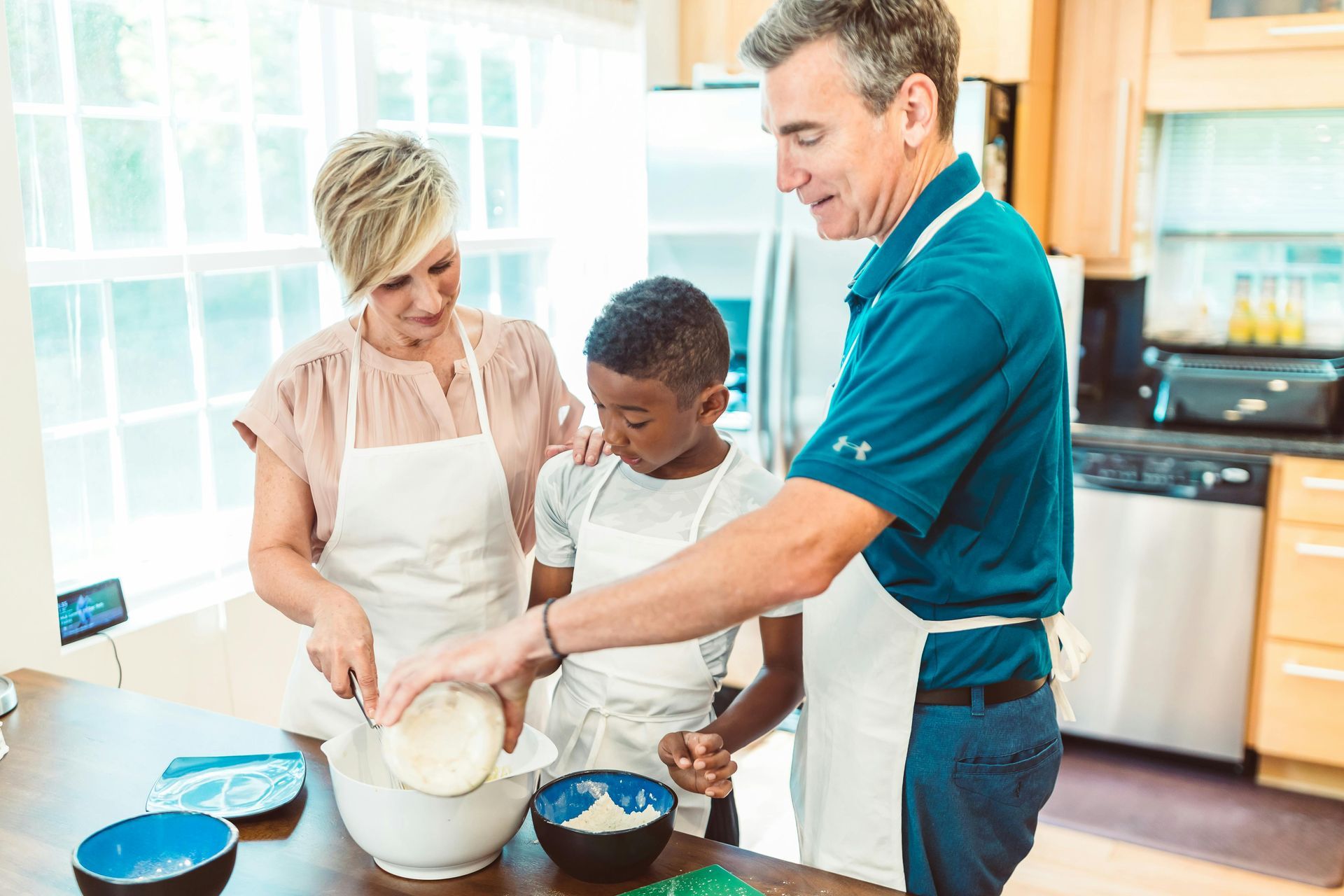
A Look at the Homes, Hearts, and Hope That Shelter Children in Care When a child is removed from their home, one of the first and most important questions becomes: where will they stay? Foster kids can stay in a variety of settings depending on their age, needs, family situation, and availability of caregivers. Each placement is thoughtfully considered, and the goal is always to place the child in the least restrictive, most loving environment possible. 1. Relative/Kinship Care—Placing the child with a relative or close family friend. Did you know that more than 30% of children in foster care in the U.S. are placed with relatives/kin? Children feel more secure when surrounded by familiar people, culture, and routines. Kin placements give the child a sense of familiarity and can help make reunification easier. These caregivers often act quickly and selflessly to provide stability, sometimes without much notice. 2. Licensed Foster Homes - People who have gone through background checks, home studies, training, and certification to become non-relative caregivers. Foster families provide a nurturing home with day-to-day care: meals, transportation, homework help, and any other support a child would need. Foster families can come in all shapes and sizes: Single parents, couples, and families with or without kids. 3. Group Homes or Residential Treatment Centers - Designed for children with complex behavioral and emotional needs. These are staffed facilities designed to provide 24/7 supervision and structure, offer specialized services, and help stabilize children before transitioning them to family-based settings. While not ideal for long-term placement, group homes can be a crucial stepping stone. 4. Emergency Shelters or Short-Term Foster Care - When no long-term placement is available. When children need an immediate place to stay, they may be placed in an emergency shelter or with short-term foster parents. These placements are temporary (less than 30 days), focused on stabilizing the child, and only used while the caseworker finds a more permanent match. Many communities have emergency foster families on call 24/7 to reduce the time a child spends in shelters. 5. Therapeutic or Specialized Foster Care - Caregivers who are specially trained to handle complex cases. The goal is to provide high-level care in a home-like environment, rather than an institution. These caregivers receive additional training, work closely with therapists, caseworkers, and schools, and help children build coping skills and regulate emotions. What Makes a “Good” Foster Home? The best foster homes offer a soft place to land, strong and predictable routines, compassion, and respect. A child may not remember the furniture or décor, but they’ll never forget the way a foster parent made them feel. How Long Do Foster Kids Stay at a Placement? It varies widely. Some children stay in foster care for a few days or weeks. Others may stay for months or even years. The average length is about 12 to 20 months. Do Foster Kids Get a Say in Where They Stay? Yes, especially as they get older. Caseworkers often consider the preferences and needs of the child, especially in cases involving: Sibling placements (keeping brothers and sisters together) School continuity Cultural or religious identity Previous positive connections (former caregivers, teachers, mentors) Children over 12 or 14 (depending on the state) often participate in family team meetings and court hearings where their voices are heard. What Happens When There Are Not Enough Homes? This is one of the biggest challenges in the foster care system. Children may be placed far from their communities, siblings may be separated, and children may stay longer in shelters or institutions. This is why foster parent recruitment and community support are so important! How You Can Help Become a foster parent - If you have room in your home and heart, becoming licensed can change a child’s life. Support a foster family - Offer meals, transportation, babysitting, or emotional support. Donate supplies - Provide backpacks, bedding, hygiene kits, or toys to children entering care. Advocate - Raise awareness about the need for more homes, especially for teens, siblings, and kids with special needs. Mentor a youth - Build a relationship with a foster teen through a mentorship program or nonprofit organization. So, where do foster kids stay? They stay wherever there are open doors and open hearts. Sometimes that’s with a grandparent or a neighbor. Other times, it’s with a loving stranger who says, “Come in, you're welcome here.” It may be for a night, a year, or forever—but each place they stay becomes part of their story. And when we do it right—when we lead with compassion, invest in families, and support caregivers—foster care can be not just a place of transition, but a launchpad toward a brighter future. Because at the end of the day, every child deserves more than just a place to stay. They deserve a place that will support them through all of life’s challenges. Help caregivers provide loving homes for children in need. Your donation makes a difference today.
Show More